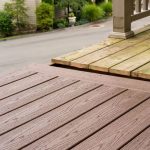
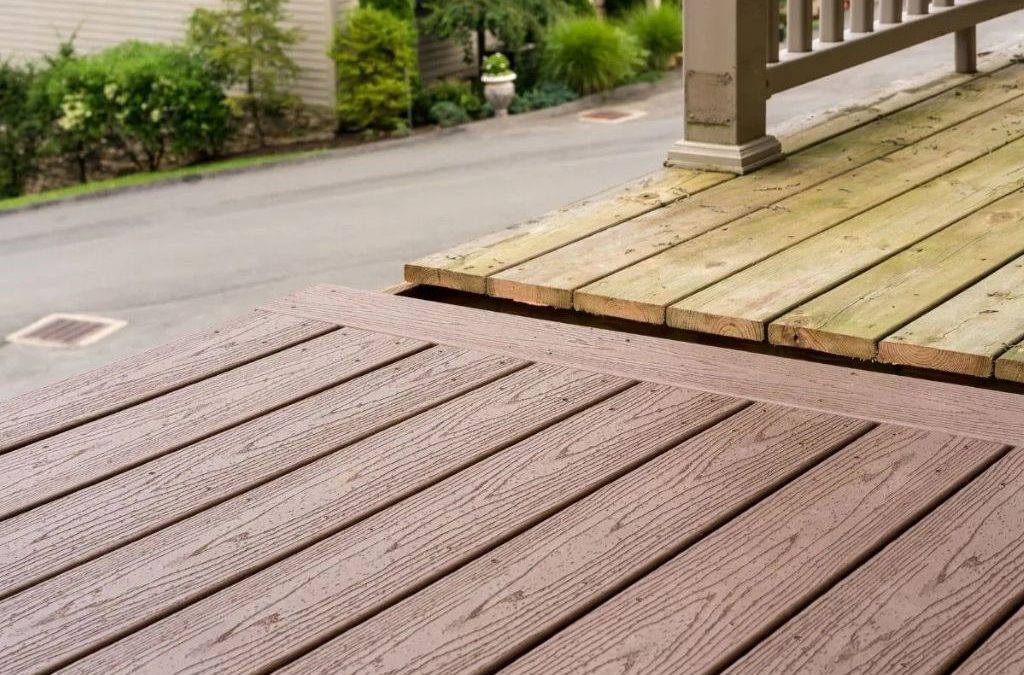
Have you found yourself going back and forth on composite decking vs timber? You’re definitely not alone.
Choosing new decking is exciting – it’s one of those upgrades that instantly changes how you use your home, whether that’s entertaining friends, relaxing outside, or finally making proper use of your backyard. But once you get past the initial excitement, the timber vs composite decking decision can start to feel surprisingly tricky – because the more you look into your options, the more layers there seem to be.
After all, everyone has an opinion – neighbours swear by what they chose, and online advice often feels like it’s written by people selling one option or the other.
The truth is, most homeowners don’t start this comparison with deep technical knowledge. They start with a feeling:
- Timber looks warm and natural.
- Composite sounds low-maintenance and modern.
Somewhere in between, you’re trying to work out what actually makes sense for your home, your lifestyle, and how much effort you want to put in long term.
But before we get into the details, it’s worth saying this upfront – there’s no single ‘right’ answer here. The better question is which option suits you, and you alone.
Why people compare timber and composite decking
The timber vs composite decking conversation usually starts for a few very human reasons. Maybe you’ve owned a timber deck before and you’re tired of cleaning and oiling it every couple of years. Or maybe you love the look of real timber and worry composite will feel a bit too artificial.
Often, people are also reacting to cost headlines, maintenance horror stories – or just something they saw at a friend’s place. That’s completely normal. But what really matters is slowing the decision down just enough to understand where the real differences actually sit.
The real differences between composite and timber decking
On the surface, both options do the same job. They create an outdoor living space where you can relax, entertain, and move easily between inside and out. The difference is how they get there – and what you live with after the build is finished.
This is where that composite vs timber decking debate stops being a style choice and becomes a lifestyle one.
The 6 factors that will help you decide
Instead of listing the features of both, the easiest way to choose is to look at a few practical factors – and see which side you naturally lean toward.
1. How much ongoing maintenance you’re comfortable with
This is often the biggest deciding factor.
Timber decks need regular care. That usually means cleaning, re-oiling, and eventually sanding as the years go on. Some homeowners genuinely enjoy this process and see it as part of owning a timber deck.
Composite decking, by contrast, is largely set-and-forget. Occasional washing is usually enough to keep it looking tidy. If weekends are already busy and maintenance jobs tend to get pushed back, composite often feels like a relief.
2. The look & feel you want your outdoor space to have
There’s no denying that real timber has a warmth and character that’s hard to replicate. Grain variation, natural colour changes, and the way timber weathers over time are big reasons people still choose it.
Composite boards really have come a long way visually, but they’re designed to look consistent. If you prefer a clean, uniform finish that stays the same year after year, composite may suit you even better.
So, composite decking vs timber decking may be more emotional for you than logical – and that’s perfectly okay.
3. How long you plan to stay in the home
If this is your forever home, long-term durability starts to matter a lot more.
- Composite decking is designed to resist rot, termites, and moisture damage over decades.
- Timber can also last a long time, but only if it’s properly maintained.
If you’re thinking shorter term or planning to sell in the future, timber’s lower upfront cost and natural appeal may be more attractive.
4. Budget now versus budget over time
This is where the composite decking vs timber cost really needs a bit more context.
- Timber usually costs less to install initially, which can make it feel like the obvious choice.
- Composite decking costs more upfront, but maintenance expenses are lower over time.
When you factor in oils, labour, and eventual refurbishment, the gap can narrow more than people expect.
It might come down to whether you’d rather:
- Spend more now
- Or spread those costs out over the years.
5. How exposed the deck will be
Melbourne weather can be really tough on outdoor structures. Full sun, heavy rain, and temperature changes all take a serious toll.
- Composite decking handles exposure very well and tends to fade slowly and evenly.
- Timber decks in harsh conditions can weather faster and may need more frequent attention to keep them looking good.
- Expansion and contraction can create uneven space at the end of composite boards. Timber will suffer less from expansion and contraction.
- Composite decking will feel hotter underfoot in direct sun than timber.
6. Environmental & sustainability considerations
Some homeowners prefer timber because it’s a natural material, especially when sourced responsibly. Others like composite because some products use recycled materials and reduces the need for ongoing chemical treatments.
There’s no universally ‘greener’ option here – it really depends on sourcing, product choice, and how long the deck lasts.
Composite Decking vs Timber: Pros and Cons at a Glance
Still weighing up the two options? Here is a straightforward summary of the main composite and timber decking pros and cons to consider before making your decision.
| Decking Type | Pros | Cons |
|---|---|---|
| Composite Decking |
|
|
| Timber Decking |
|
|
These pros and cons provide a useful starting point, but they should not be treated as absolute. The quality of the product, the timber species, the deck’s exposure and the standard of installation will all affect how it looks and performs over time.
Getting the choice right for your home
Still unsure? That’s a sure sign that you need advice that’s specific to your home – not generic comparisons online. Things like orientation, design, permits, and how the deck integrates with the rest of your outdoor space all matter a lot more than most people realise.
And that’s where experienced builders can help guide the decision without pushing you in one direction or the other, depending on their views and biases, not yours.
Thinking about a new deck in Melbourne?
The friendly team at Mr Verandah has been designing and building outdoor living spaces for over 30 years. We work with both timber and composite decking and help homeowners choose the option that genuinely suits your home, lifestyle, and long-term plans.
Get in touch today for expert advice and a tailored decking solution that feels right from day one.